
Insulated Garage Door Installation in Denver, CO
Get an insulated garage door built for Colorado weather. Better temperature control, quieter operation, and stronger panels for your Denver garage.
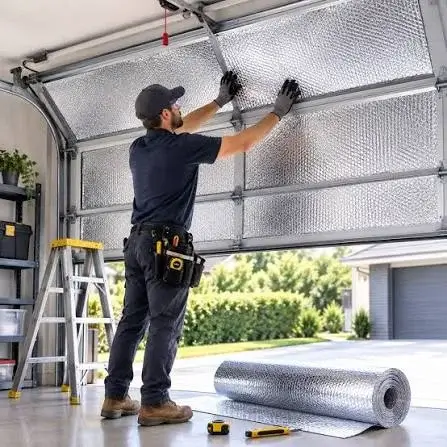
Insulated Garage Door Installation for Denver Homes
Typical insulated panel construction
A garage door is one of the biggest openings in your home. An uninsulated one lets Denver’s cold snaps, summer heat, and temperature swings straight into your garage.
An insulated garage door adds a layer of foam between two steel panels. That construction slows down heat transfer, cuts down on noise, and adds strength to every panel. We help Denver homeowners pick the right insulation type and R-value for how they actually use their garage, then install it correctly.
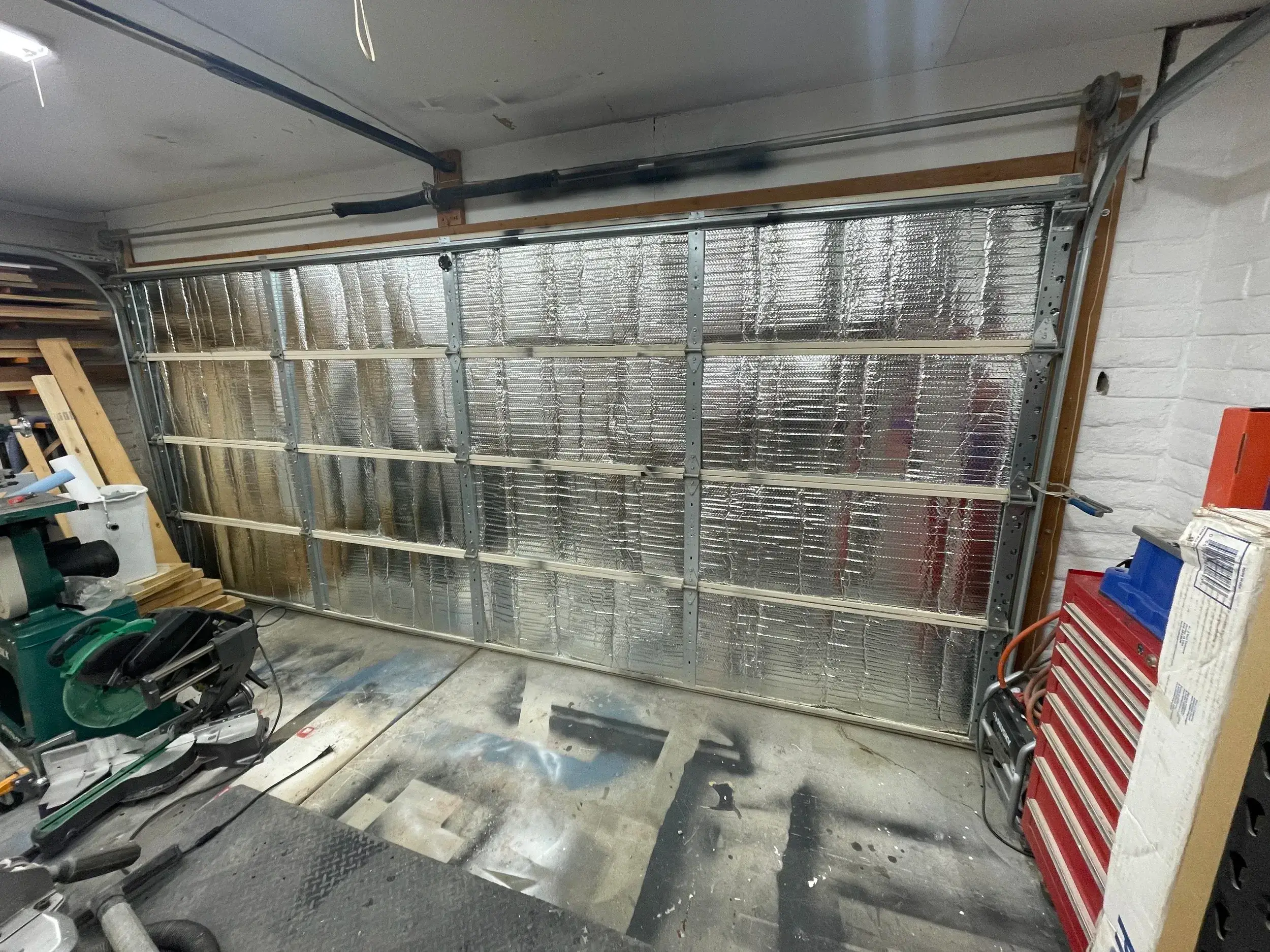
Insulated Garage Door Installation in Denver, CO
Denver homes deal with big temperature swings, heavy snow, and strong summer sun. If your garage sits under a bedroom, connects to your house, or doubles as a workshop, an uninsulated door lets that weather in Insulated garage door installation gives you a door built to hold temperature, block drafts, and cut noise. To get it right, you must understand more than just a number on a spec sheet.
R-Value Explained
R-value measures how well a material resists heat flow. A higher number means better resistance. It’s a useful starting point when comparing insulated garage doors, but it shouldn’t be the only factor you weigh.
Two doors with the same R-value can perform very differently once you factor in panel seams, air gaps, and how tight the seals fit. A well-built door with a moderate R-value can outperform a poorly sealed door with a higher one. That’s why we walk homeowners through the full construction, not just the label.
Polystyrene vs Polyurethane
Most insulated garage doors use one of two materials. Polystyrene is a rigid foam board placed between steel panels. It’s affordable and adds decent insulation value. Polyurethane is a foam that gets injected between the panels, where it expands and bonds tightly to the steel.
This bond adds strength and closes gaps that polystyrene can leave behind, which usually gives polyurethane doors a higher R-value and a quieter, more solid feel. Both options work. The right pick depends on your budget and how much performance you need from the door.
Single, Double, and Triple-Layer Construction
Garage doors come in three basic builds. A single-layer door is bare steel with no insulation at all. A double-layer door adds a layer of insulation, usually polystyrene, behind the steel. A triple-layer door sandwiches insulation between two steel skins, often using polyurethane, for the strongest and most energy-efficient build.
Triple-layer doors tend to run quieter and resist dents better too, since the extra layer adds rigidity. For Denver’s swings between freezing mornings and warm afternoons, triple-layer construction usually gives the most consistent results. If you’re weighing insulation against a full door swap, our residential garage door installation covers material and style choices beyond insulation too.
When Insulation Pays Off
Insulated garage door installation makes the biggest difference for attached, heated, or finished garages. If you park inside daily, store a workshop, or have living space above or beside the garage, insulation helps keep temperatures steady and lowers strain on nearby rooms.
A detached garage that sits mostly empty and unheated won’t see the same return. We won’t tell you every home needs the top-tier option. We’ll help you match the insulation level to how you actually use the space.
Weather Sealing and Insulation Work Together
Insulation only does half the job. Gaps around the bottom, sides, and top of the door let cold air, dust, and moisture inside no matter how good the panels are. Proper weather sealing closes those gaps and keeps the insulated panels doing their job.
During installation, we check the bottom seal, side and top weatherstripping, and the fit between panels to make sure nothing undercuts the door’s insulation value. If your current seals are worn but the door itself is fine, that’s a smaller fix, covered on our weather seal replacement page, not a full door swap.
Denver Weather and Garage Door Insulation
Denver’s climate puts real demand on a garage door. Winters bring hard freezes and heavy snow. Spring and fall swing temperatures 30 degrees or more in a single day. Summer sun beats directly on south- and west-facing doors for hours.
Add in wind, occasional hail, and moisture from melting snow, and an uninsulated door takes a beating while doing little to protect the space behind it. An insulated door built for these conditions holds up better and keeps the garage more livable year-round.
What Affects Installation Cost
Insulated garage door pricing depends on several factors, so we won’t quote a flat number that doesn’t apply to your home. Door size and number of panels matter, along with the insulation material and R-value you choose. Single, double, or triple-layer construction changes the price too, as does adding windows or upgraded hardware.
If your current opener isn’t rated for a heavier insulated door, that’s a factor as well, and we’ll check compatibility against our garage door opener services if an upgrade is needed. Removal of the old door and disposal can add to the total, and complex openings take more labor than a standard bay. We walk through each factor with you before giving a real quote.
Our Installation Process
We start by measuring your opening and inspecting the frame, track, and surrounding structure. From there, we help you choose the right insulation type and construction for your garage and budget. If an old door needs to come out first, we remove it carefully to avoid damaging the opening.
Then we install the track and hardware, set the springs, and balance the door so it opens and closes smoothly. We check that your opener can handle the added weight of an insulated door and adjust or recommend an upgrade if needed. Weather sealing goes in around the full perimeter, and we finish with a full safety test on the springs, cables, and auto-reverse before we call the job done.
Choose the Level That Fits Your Home
An insulated garage door installation is only worth it if it matches how you use your garage. We’ll talk through your daily habits, whether the space is heated or attached, and your budget before recommending a specific R-value and construction type.
The goal is a door that performs well for your actual home, backed by careful installation, proper sealing, and a balance check that keeps it running smoothly for years.
For more inquiry and professional service please do not hesitate to call (833) 435-8883 or contact us for insulated garage door installation in Denver, CO.
Are Insulated Garage Doors Worth It in Denver?
It depends on your garage. An insulated door makes the biggest difference when your garage is attached, heated, finished, or used often. It matters less for a detached garage that mostly sits empty.
Attached Garage
Shares walls with your living space. An uninsulated door lets outside temps pull heat or cool air straight through the house.
Heated or Finished Garage
If you’re paying to heat or cool the space, an uninsulated door works against every dollar spent keeping it comfortable.
Workshop or Extra Living Space
Spend real time out there working, exercising, or hanging out? Insulation keeps the space usable year-round in Denver’s swings.
Detached, Rarely Used Garage
Just parking a car in a separate structure you rarely enter? Insulation still helps, but the payoff is smaller.
How Garage Door Insulation Works
Insulation works by slowing heat transfer through the door. A layer of foam sits between the steel panels and acts as a barrier, so less heat moves from the warm side to the cold side. The type of foam and how the door is built both change how well that barrier performs.
Polystyrene Insulation
A rigid foam board fitted inside the panel. It’s a solid, cost-effective option that adds decent insulating value and some panel stiffness.
Polyurethane Insulation
Foam is injected and expands to fill the entire panel cavity, including gaps around edges. That fuller fill usually means better insulating performance and a stronger, quieter panel.
Single-Layer
Steel only, no foam. Least insulating, most affordable.
Double-Layer
Steel with a foam layer behind it. A solid middle-ground option.
Triple-Layer
Steel-foam-steel sandwich. Strongest, quietest, and best insulating construction.
Understanding Garage Door R-Value
R-value measures how well a material resists heat flow. The higher the number, the better it insulates. Garage doors typically range from around R-6 up to R-18 or higher, depending on how the door is built.
R-value is a useful starting point, but it’s not the whole story. Two doors listed at the same R-value can perform very differently once installed.
Door construction, panel thickness, and how well the door seals against the frame all affect real-world performance just as much as the number on the spec sheet. That’s why we walk through actual construction with you, not just a rating.
Benefits of an Insulated Garage Door
Better Temperature Control
The biggest reason homeowners insulate. Less outside temperature swing means a garage that’s more usable and comfortable, year-round.
Reduced Heat Transfer
The foam barrier slows conductive heat movement through the door itself.
Quieter Operation
Insulated panels dampen vibration and sound compared to hollow steel.
Greater Panel Strength
The foam core adds rigidity, helping panels resist dents and flex.
Better Comfort
A more stable garage temperature makes the space easier to spend time in.
Protection for Stored Items
Less temperature and moisture swing helps protect tools, vehicles, and supplies.
Insulated vs. Non-Insulated Garage Door
Choose the Right Insulation Level for Your Garage
No single number tells you what to buy. These are the factors we walk through with every Denver homeowner before recommending a door.
R-Value
A starting point for comparing insulating power, not the only factor.
Door Construction
Single, double, or triple-layer changes real-world performance.
Panel Thickness
Thicker panels generally hold more insulation and resist dents better.
Garage Use
A workshop or living space needs more than a storage-only garage.
Attached vs. Detached
Attached garages usually get more benefit from higher insulation.
Budget
Higher insulation levels cost more upfront. We keep options realistic.
Climate Exposure
South-facing doors and exposed driveways see more temperature swing.
Our Insulated Garage Door Installation Process
Every insulated door goes through the same careful process. Here is how we get it right the first time.
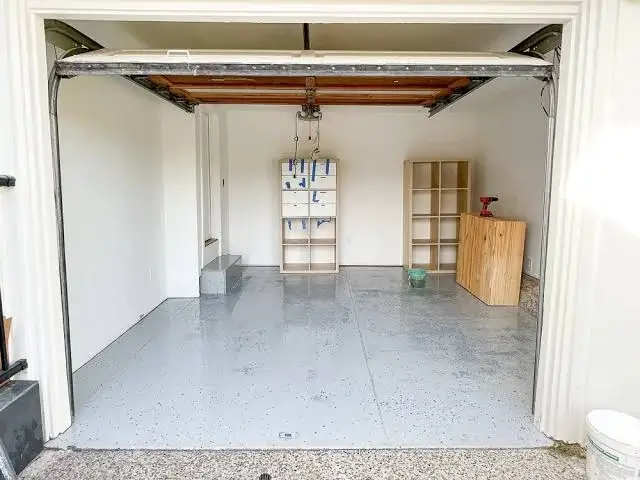
Remove Old Door & Inspect Opening
We remove your old door and check the opening for damage.
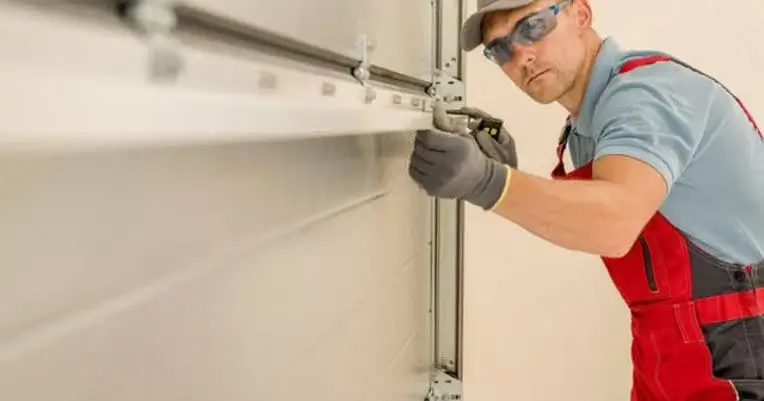
Measure & Prepare for Insulated Panels
We measure carefully to match panel thickness and R-value.

Install Frame, Track & Rollers
We set up sturdy hardware built for heavier insulated panels.
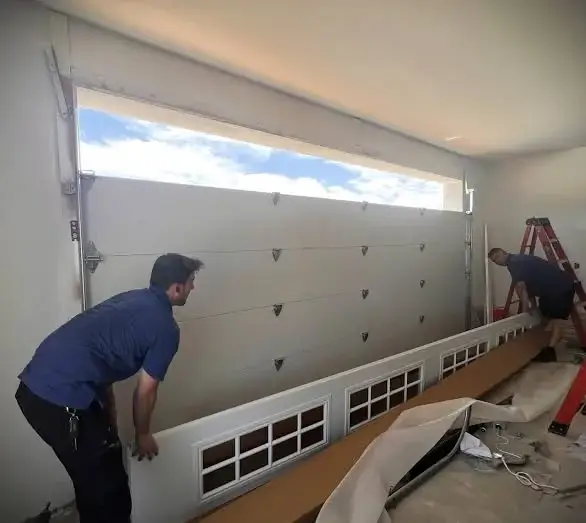
Fit Insulated Panels Section by Section
Each panel goes in with the insulation core aligned right.
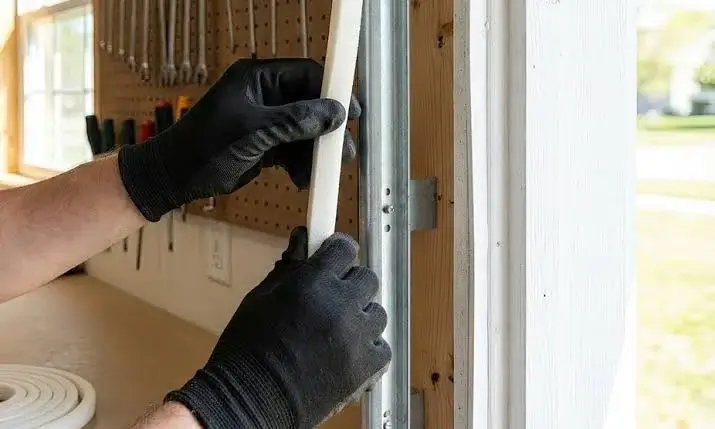
Seal Gaps & Add Weatherstripping
We seal every edge and joint to stop cold air.
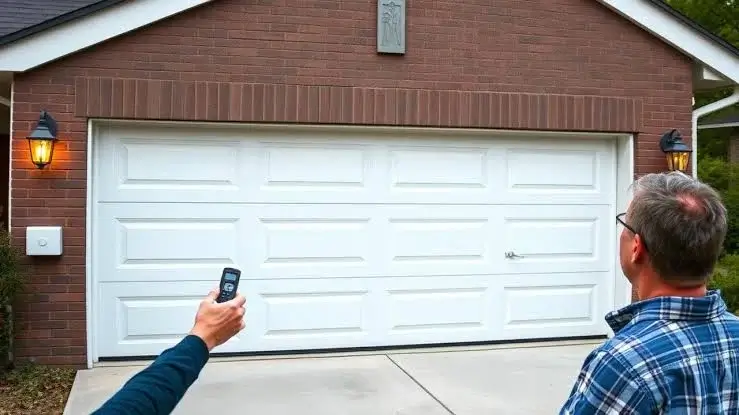
Test Balance, Seal & Safety Features
We test balance, seals, and safety sensors before we leave.
Sealing and Insulation Performance
Thick panels only work if the seals around them hold. Here is where we seal every insulated door we install.
Top Seal
Closes the gap where the door meets the header. Stops drafts from above.
Side Seals
Run the full height of both jambs to keep the frame airtight.
Bottom Astragal Seal
Presses flat against the garage floor, even on uneven concrete.
Panel Joint Seals
Interlocking joints keep insulation performance steady panel to panel.
We test every seal point after installation, so your R-value holds up in real Denver winters, not just on paper.
What Affects Insulated Garage Door Installation Cost
Installation pricing depends on the door, the opening, the materials, and the work needed to prepare the garage for a proper installation.
The right door
starts with the
right assessment.
We look beyond the door itself. Size, insulation, materials, existing hardware, and opening conditions all contribute to the final installation scope.
Door Size & Panel Count
01Single, double, and oversized openings require different materials and installation work.
Insulation & R-Value
02Higher-performance insulated panels can increase the initial investment while improving thermal performance.
Door Material
03Steel, wood, and composite construction each come with different material costs.
Windows & Design
04Glass inserts, decorative details, and custom panel styles can affect the total.
Old Door Removal
05Removing and disposing of an existing garage door may add to the project.
Frame & Track Condition
06Damaged framing or track components may need attention before installation.
How Long Does Installation Take?
Most standard insulated garage door installations are completed in one visit. The work moves through a straightforward sequence.
Typical installation time from preparation through final testing.
Prep & Removal
Prepare the work area and remove the existing door when needed.
Frame & Track
Prepare the opening and position the new track and hardware.
Panel Installation
Install the insulated panels and assemble the complete door system.
Sealing
Install weather seals and check the fit around the opening.
Testing
Check balance, movement, safety functions, and operation.
Insulated for Colorado Weather
Denver swings from summer heat to freezing winters, often in the same week. An insulated door keeps that swing outside your garage, not inside it.
Why Choose Us for Insulated Garage Door Installation
Trained on Insulated Systems
Our techs are trained specifically on insulated panel installation, not just standard doors.
Correct Seals & R-Value
We install every seal point right, so your R-value holds up in real use.
Denver Weather Expertise
We know how Colorado’s swings between heat and freezing affect your garage.
Upfront, Itemized Pricing
You see every cost factor before we start. No surprise add-ons at the end.
Same-Day Availability
Most installs are scheduled fast, often within the same week you call.
Fixed Right or We Come Back
If something isn’t right after install, we return and make it right at no charge.
What Denver Homeowners Say
Derek Simmons
Our garage used to freeze solid in winter. The insulated door made a real difference and the crew sealed every edge tight. Clean install, no mess left behind.
Priya Nandan
They walked me through R-value options without any pressure. Install took about 3 hours and the door closes so much quieter now. Would recommend to any Denver homeowner.
Carla Whitfield
Our attached garage feels like a real room now, not a cold box. The team explained the seals and hardware clearly and cleaned up before they left.
Our Coverage
Areas We Serve
Proudly serving Denver and these nearby communities.
Insulated Garage Door Installation FAQ
Get clear answers about insulated garage doors, R-values, insulation types, and installation costs in Denver.
Are insulated garage doors worth it in Denver?
Yes, insulated garage doors are worth it in Denver. They reduce heat loss, protect stored items, and keep attached garages more comfortable through cold winters and hot summers.
What R-value should I choose for a garage door in Denver?
Most Denver homes do well with an R-value between R-9 and R-18. Attached and heated garages benefit from higher R-values, while detached storage garages can use lower ones.
What is the difference between polyurethane and polystyrene garage door insulation?
Polyurethane insulation is denser and offers a higher R-value per inch than polystyrene. Polystyrene is lighter and more affordable, but insulates less effectively.
Are insulated garage doors good for attached garages?
Yes, insulated doors are especially good for attached garages. They limit temperature transfer between the garage and the rest of your home, which can lower energy costs.
How much does an insulated garage door cost in Denver?
Insulated garage door costs in Denver vary by size, material, and R-value. We provide an itemized quote based on your specific door and insulation level.
Related Installation Services
Get Your Insulated Garage Door Installed
Stop losing heat through your garage. Talk to a trained installer today.