
Commercial Garage Door Installation in Denver, CO
Get the right overhead door for your facility. We match your door to your traffic, security, insulation, and daily operating needs, then handle site assessment through final commissioning.
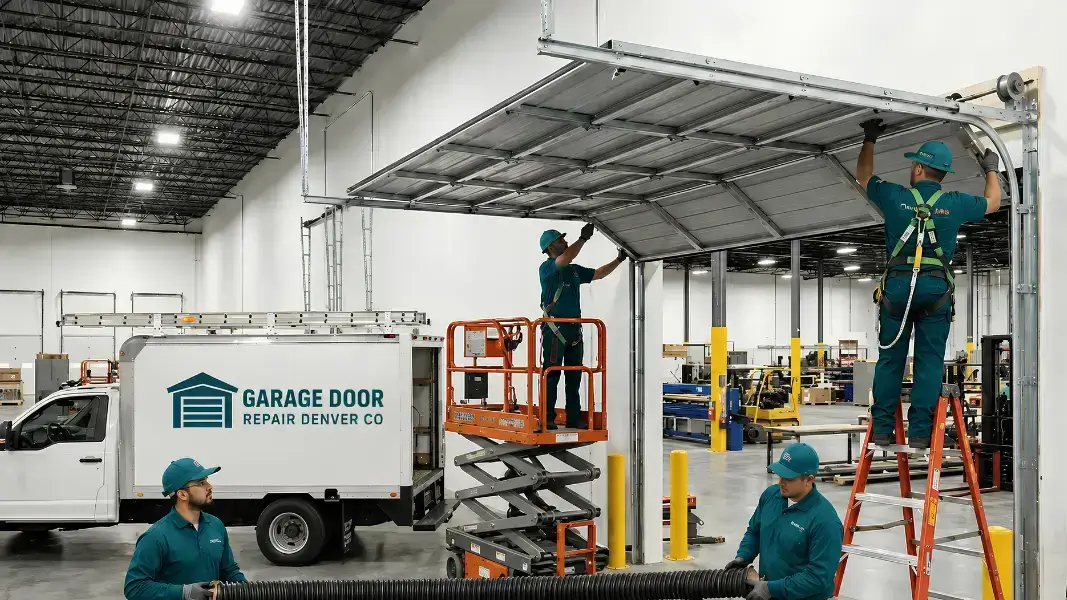
Commercial Garage Door Installation for Denver Businesses
Built Around How Your Business Works
A commercial garage door is not a bigger version of a residential one. Your building has its own traffic patterns, security needs, and daily wear to plan for.
The Right Door for the Right Facility
We help Denver businesses choose equipment based on how the door will actually be used, then install the system to work reliably day after day.
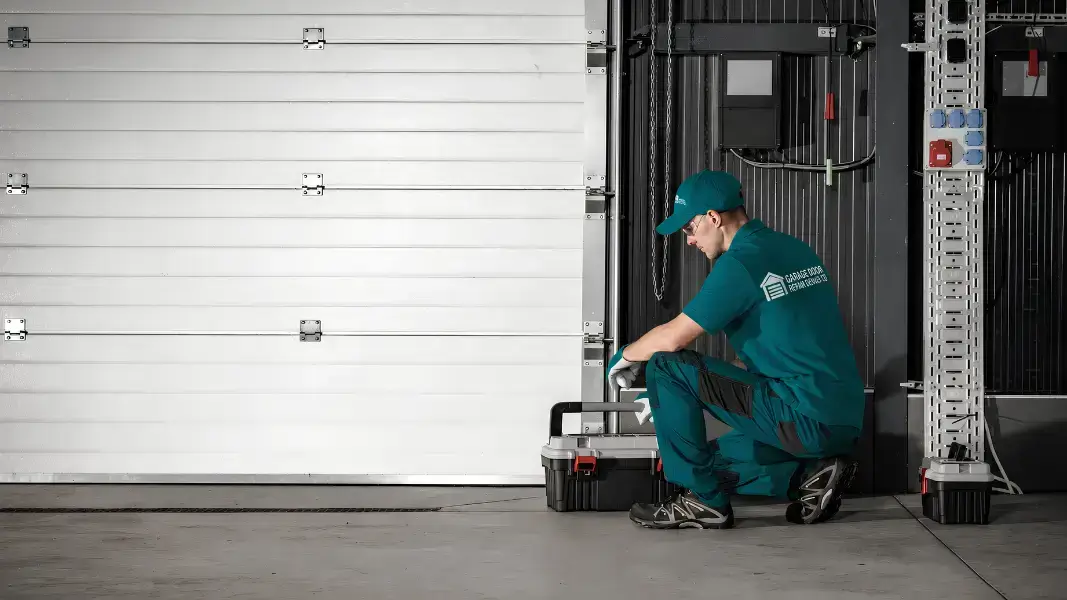
Commercial Garage Door Installation Denver, CO
Commercial garage door installation is a facility-specific selection and installation problem, not a larger version of a residential job. Door type, traffic frequency, security, insulation, opening dimensions, available space, operator needs, and daily workflow all shape the right choice for a business.
A warehouse, distribution center, auto shop, or retail facility each has different needs. The right commercial overhead door supports daily operations instead of working against them. Many Denver businesses lean on full commercial garage door services when a facility needs more than one door addressed at a time.
A Facility-First Approach
Every commercial building has its own traffic pattern and layout. A service bay that opens dozens of times a day needs different hardware than a storage facility that opens twice a week.
Cycle frequency, security needs, and building layout guide the entire installation plan. A door chosen without these factors in mind often creates problems later on.
Choose the Right Commercial Door
Commercial buildings use several door categories, including sectional steel doors, rolling steel doors, high-speed doors, and insulated models. Each type suits a different traffic level and security need.
A service center may want a sectional door for a good balance of cost and daily use. A distribution center that runs forklifts through an opening all day often does better with a high-speed door built for that pace.
Sectional doors work well for many service bays and moderate traffic. Rolling steel doors suit tighter spaces and higher security needs, and repair for that door type falls under rolling steel door repair once a system is already in place. High-speed doors fit facilities with frequent use, where less downtime matters most.
Insulated commercial doors matter here too, since insulation affects temperature control in conditioned facilities. For businesses that manage indoor climate, this is a real factor in door choice, separate from the residential focus on curb appeal.
Site Assessment Before Installation
A site assessment happens before any commercial door order goes in. Opening width, height, headroom, sideroom, and backroom all affect which door and hardware setup will fit.
Mounting conditions, wall type, and available electrical service also factor into the plan. Traffic frequency and expected operator use guide hardware choice too.
Skip this step and the result is often delay, a wrong-sized door, or hardware that doesn’t match the facility’s daily demands.
Hardware and Operator Setup
Commercial doors rely on heavier-duty tracks, springs, cables, rollers, and hinges than residential systems. These parts carry more weight and handle far more cycles over time.
The powered unit is often called a door operator in commercial settings, separate from a standard opener. Operator choice depends on door weight, cycle frequency, and how the facility plans to use the door day to day.
Safety devices such as photo-eye sensors and a proper seal complete a full hardware setup. Facilities that later need service on the loading side of a building can turn to warehouse and loading dock door repair for that part of the system.
New Construction and Retrofit Projects
Some commercial installations happen during new construction, where the opening gets built to match the door from the start. Others involve a replacement or upgrade to an existing door in a building already in use.
Retrofit projects need extra attention to existing framing, headroom, and any structural conditions already in place. Both paths follow the same core plan, just with different starting points.
The Installation Process
A typical project moves through assessment, measurement, door selection, preparation, and installation. Hardware and operator setup follow, along with safety device placement.
Calibration and final commissioning close out the project. Each step supports a door that runs correctly from day one and holds up under regular use.
Commercial installation should also work around business hours where possible. Less disruption to daily operations is a real priority for most facilities, not an afterthought.
Final Testing Before Handoff
Before a project wraps up, the door goes through a full check. Travel, balance, operator function, safety device response, alignment, and seal all get verified.
This step confirms the door performs the way it should before the crew leaves the site. A rushed handoff often means avoidable service calls later.
What Affects Commercial Installation Cost
Commercial installation cost depends on several factors. Door type, size, insulation, cycle rating, custom sizing, hardware, and operator choice all play a role.
Removal of an existing door, structural prep, and electrical work can add to the scope as well. Because every facility is different, cost varies by project rather than a flat rate.
Built Around Denver Facilities
Denver businesses deal with temperature swings, seasonal storms, and a wide range of building types across the metro area. A door installed here needs to hold up to that range of conditions while it supports daily operations.
Older brick warehouses near the city core often have different framing than newer metal buildings out toward the suburbs. A door and operator chosen with that difference in mind tends to hold up better over time.
Facility managers and business owners benefit from an install that accounts for both the building itself and the climate around it. Regular garage door maintenance afterward helps protect that investment over the long run.
For commercial garage door installation in Denver, CO, call (833) 435-8883 or contact us to schedule a site assessment for your facility.
Choosing the Right Commercial Garage Door
Facility Type
Warehouse, shop, or retail space changes what a door needs to handle daily.
Door Size
Opening width and height set which door types and hardware will fit.
Traffic Frequency
How often the door opens each day points to the right cycle rating.
Security Needs
Storage of equipment or inventory can call for stronger locking hardware.
Insulation Requirements
Conditioned or climate-sensitive spaces need a door built to hold temperature.
Operating Environment
Dust, moisture, or temperature swings affect which materials hold up best.
Budget
Door type, size, and hardware all shape where the project lands on cost.
Available Space
Headroom and sideroom clearance determine which track and door styles work.
Types of Commercial Garage Doors We Install
Commercial Sectional Doors
A dependable fit for most warehouses, shops, and retail bays with regular daily use.
Rolling Steel Doors
Coils up compactly overhead, a common choice where security and space both matter.
High-Speed Commercial Doors
Built for facilities with frequent openings, moving fast to keep traffic flowing.
Insulated Commercial Doors
A good match for climate-sensitive or conditioned spaces that need steady temperatures.
Commercial Garage Door Installation for Different Facilities
Warehouses & Distribution Facilities
High cycle counts and heavy daily traffic call for durable, reliable doors.
Auto Shops & Service Bays
Frequent openings throughout the day need a door built for constant use.
Industrial Buildings
Larger openings and tougher operating conditions shape the right door choice.
Retail & Commercial Properties
Appearance and dependable daily operation both matter for storefront doors.
Storage Facilities
Security and weather protection are usually the top priority here.
Site Assessment Before Commercial Door Installation
Actual clearance and hardware requirements depend on your specific door and operator, so we confirm these on site before ordering anything.
Opening Dimensions
Exact width and height set which doors will fit the space.
Headroom
Clearance above the opening for track and hardware.
Sideroom
Space beside the opening for tracks to mount correctly.
Backroom
Depth needed behind the opening for the door to travel.
Structural Mounting Areas
Wall and ceiling conditions need to support the new hardware.
Existing Tracks & Hardware
What’s already in place affects install steps and timeline.
Traffic Requirements
How often the door opens shapes the hardware and cycle rating.
Operator Requirements
Door weight and use determine the right operator strength.
Electrical Considerations
Power access near the opening needs to support the operator.
Existing Door Removal
Older doors are removed and disposed of when swapping to a new one.
Our Commercial Garage Door Installation Process
We plan every step around your facility’s schedule to keep disruption to normal operations as low as possible.
Site Assessment
Measurements
Door Selection
Site Preparation
Door Installation
Operator & Hardware Setup
Final Commissioning
Commercial Door Hardware & Operator Setup
Tracks
Guide the door’s travel path from open to closed and keep the movement properly aligned.
Springs
Carry most of the door’s weight during each cycle and contribute to smooth, balanced operation.
Cables
Work with the spring system to help lift and lower the commercial door through each cycle.
Rollers
Let each door section move smoothly along the track with less friction during operation.
Hinges
Connect panels so sectional commercial doors can flex correctly as they move overhead.
Reinforcement
Added structural support for larger or heavier commercial doors that see demanding use.
Safety Devices
Sensors and reversing systems help provide safer daily operation of the installed door.
Operator Setup
Operator sizing and setup are matched to the door’s weight, cycle frequency, and facility needs.
Insulated Commercial Garage Doors
For climate-sensitive or conditioned facilities, an insulated door helps hold temperature and cuts down on noise. It’s one more factor to weigh alongside your building’s daily use and energy needs, not a requirement for every facility.
New Construction vs. Commercial Door Retrofit
New Construction
Door and opening are planned together from the start.
Retrofit
Existing opening and hardware shape what door options fit.
Final Testing & Commercial Door Commissioning
Door Travel
Door Balance
Operator Operation
Safety Devices
Track Alignment
Sealing
Smooth Operation
Final Walkthrough
What Affects Commercial Garage Door Installation Cost?
How Long Does Commercial Garage Door Installation Take?
Simple Swap
Standard door, same opening
Standard Job
New hardware and operator setup
Complex Project
Custom sizing or facility prep

Commercial Garage Door Installation in Denver, CO
Denver businesses deal with big temperature swings, dry summers, and heavy winter storms. Facilities here often need doors that hold up to daily use while handling that shift in weather.
Why Choose Us for Commercial Garage Door Installation in Denver?
Facility-Specific Door Selection
We match the door to your traffic, security, and layout instead of a one-size-fits-all option.
Accurate Site Assessment
We measure and check your opening before anything gets ordered, so the fit is right the first time.
Proper Hardware & Operator Setup
Commercial-grade tracks, springs, and operators built for daily business use, not residential parts.
Minimal Disruption to Your Business
We plan the job around your schedule to keep downtime low during installation.
Final Testing on Every Install
Every door is balanced, aligned, and tested before we call the job done.
What Denver Businesses Are Saying
They walked our whole warehouse before recommending a door. Install went fast and didn’t slow down our shipping schedule.
Good communication from the start. They explained why a certain door type fit our storefront better than what we asked for.
Our bay door opens dozens of times a day. New setup is holding up well and the operator runs quiet.
Our Coverage
Areas We Serve
Proudly serving Denver and these nearby communities.
Frequently Asked Questions
How much does commercial garage door installation cost in Denver?
Cost depends on door type, size, insulation, hardware, and how complex the install is. We’ll give you a clear number after seeing your facility.
What type of commercial garage door is best for a warehouse?
It depends on traffic and security needs. Sectional and rolling steel doors are both common choices for warehouse settings.
What is the difference between a commercial sectional door and a rolling steel door?
Sectional doors lift in horizontal panels along a track. Rolling steel doors coil up compactly, which can save overhead space.
Are insulated commercial garage doors worth it?
For climate-sensitive or conditioned facilities, insulation helps hold temperature. For others, it may not be necessary.
Does commercial garage door installation include the opener or operator?
We can set up the operator as part of the install, matched to your door’s weight and daily use.
How long does commercial garage door installation take?
A standard swap can often be done in a day. Custom sizing or facility prep can add more time.
Get Commercial Garage Door Installation in Denver, CO
Tell us about your facility and we’ll help you pick the right door and get it installed with minimal disruption to your business.