
Residential Garage Door Installation in Denver, CO
Get the right garage door for your home. We measure, select, and install your new door so it fits right, runs smooth, and holds up in Denver weather.
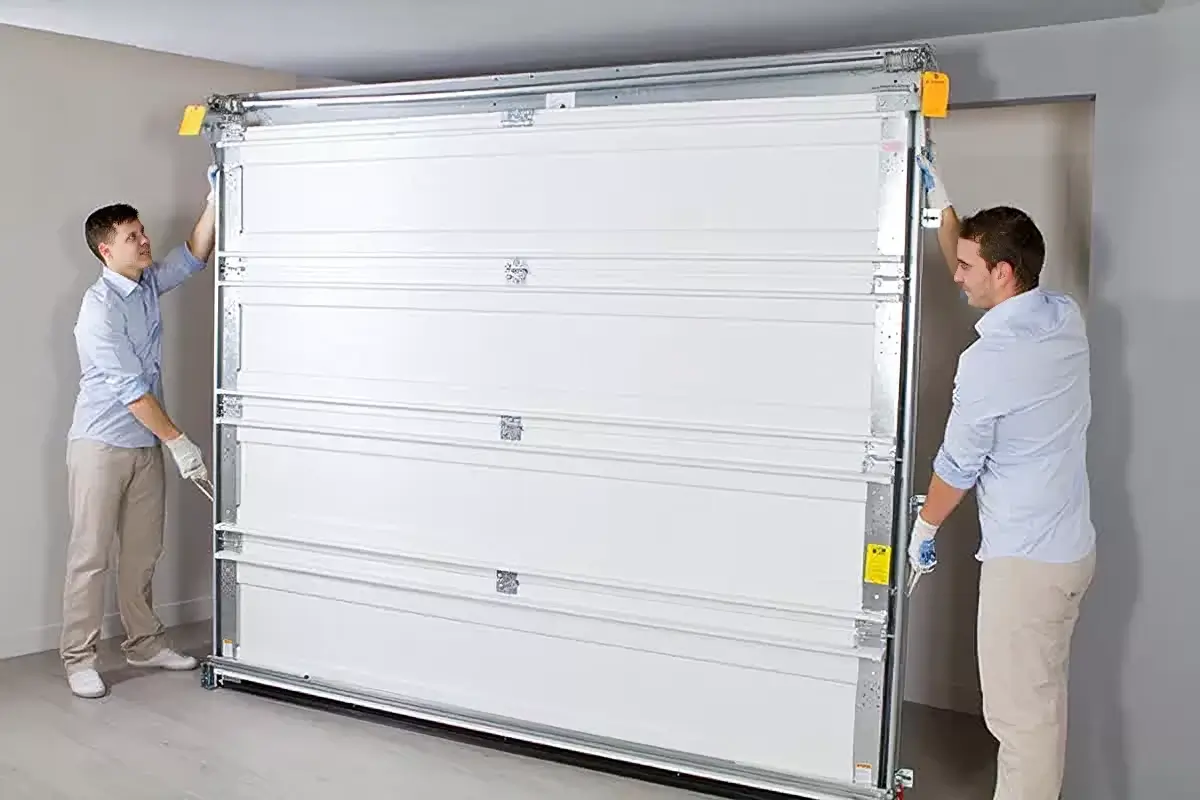
Residential Garage Door Installation for Denver Homes
A new garage door is a big part of your home. It affects how your house looks, how well it holds heat, and how safe your family stays. We help Denver homeowners pick the right door and get it installed correctly the first time, from measuring the opening to testing the final balance.
28+ years fitting garage doors to Denver homes, right down to the millimeter.
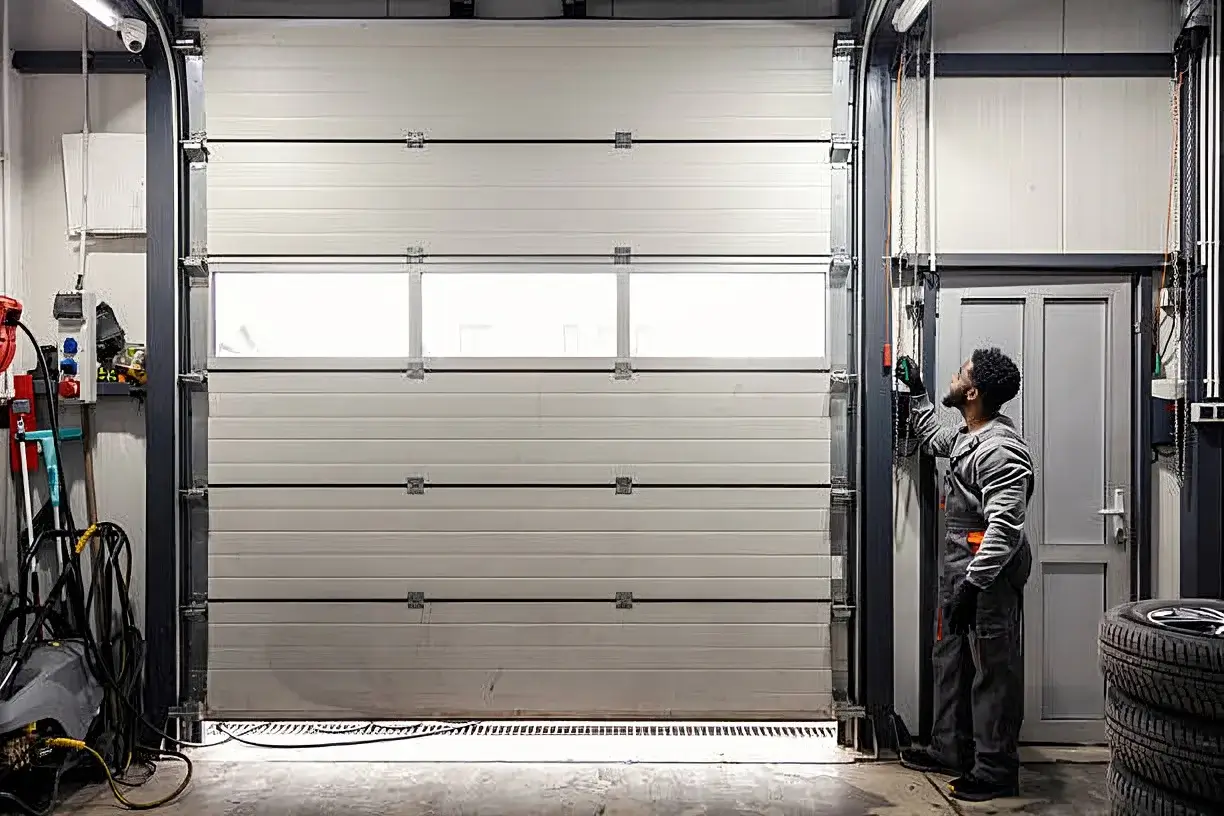
Residential Garage Door Installation Denver CO
A garage door is one of the largest moving parts on your home, and it sees more daily use than almost anything else on the property. When it’s time for a new one, residential garage door installation in Denver CO comes with a few extra factors that homeowners in other climates don’t have to think about as much: big temperature swings, dry winters, and sudden hailstorms that can dent a cheap door in one afternoon.
Why Homeowners Choose to Replace
Most residential garage door installation projects start one of two ways. Either the old door has reached the end of its life, with worn rollers, sagging tracks, or a warped panel that no longer seals right, or the homeowner wants an upgrade. New construction is the other common path. Builders often install a basic door to close out the project, and owners upgrade it soon after move-in to match their style and budget.
Garage door installation for existing homes differs from new construction work in one key way: the opening is already framed. That means the installer works around your current headroom, sideroom, and backroom measurements instead of building from a blank slate. Getting these numbers right matters. A door that’s slightly off on headroom won’t clear the opener track, and tight sideroom limits which track and spring system will fit.
Picking the Right Door
Homeowners have more choices now than a decade ago. Steel remains the most common pick for durability and price. Wood and carriage house styles add curb appeal but need more upkeep. Aluminum and glass doors work well for modern homes that want more light in the garage. Sectional garage doors, the type with horizontal panels that roll up along an overhead track, cover almost every residential install in Denver.
Insulation is worth real thought, not an afterthought. An insulated garage door with a solid R-value cuts noise, holds a steadier temperature, and keeps the attached rooms above and beside the garage more comfortable through Colorado’s cold snaps and hot summer stretches. Polyurethane insulation gives a higher R-value than polystyrene, though it usually costs more upfront.
The Installation Process
A proper residential garage door installer starts with measurements and a check of the existing frame, track alignment, and opener compatibility. From there, the crew sets the new tracks, hangs the panels, installs springs and cables, and mounts the hardware, including hinges and rollers. Once the door is in place, a full safety inspection checks door balance and alignment before the opener gets connected and tested.
Skipping steps here causes problems fast. A door that’s out of balance puts extra strain on the opener and springs, which shortens the life of both. Professional installation also means the right spring system gets matched to the door’s weight, something that’s easy to get wrong on a DIY job or with an installer who cuts corners.
Single vs Double Doors
Single garage doors fit one-car openings, while double garage doors span a two-car space with either one large door or two doors side by side. The choice usually comes down to the home’s existing layout rather than preference, though some homeowners with a wide double opening choose two single doors instead of one large door for a different look and independent operation.
What Drives the Cost
Garage door installation cost in Denver depends on a handful of factors: door material, size, insulation level, window inserts, and any custom design work like a carriage house style or a raised panel look. Opener compatibility can also affect price if the existing opener needs an upgrade to work with the new door’s weight or safety features. Getting a written estimate that breaks down material, labor, and hardware helps you compare quotes accurately.
Built for Denver Weather
Denver homeowners deal with wide temperature shifts, high UV exposure, and the occasional hailstorm that can hit hard enough to dent lower-quality panels. A well-installed door with a solid weather seal keeps out dust, wind, and moisture, and a quality steel or insulated door holds up better against hail than thinner budget models. Local installation also means the crew understands how Denver’s elevation and dry air affect wood doors and hardware over time.
Getting It Done Right
Whether you’re planning a new garage door for new construction or a full home garage door replacement, the difference between an average install and a great one comes down to accurate measurements, the right hardware match, and a final inspection that checks balance and safety before the job is called done. A properly installed residential garage door adds curb appeal, improves home security, and runs quietly and smoothly for years when it’s set up right the first time.
Call (833) 435-8883 or contact us for fast, honest garage door services in Denver.
When Should You Install a New Residential Garage Door?
A few clear signs tell you it’s time for a new door instead of another repair.
Door Is Aging or Worn Out
Rust, warping, or a door older than 15-20 years often costs more to keep fixing than replacing.
Storm or Impact Damage
Hail dents, a bent panel, or vehicle damage can affect balance and safety, not just looks.
Moving Into a New Home
An outdated or mismatched door is a common first upgrade for new Denver homeowners.
Remodel or Curb Appeal Update
A new door refreshes your home’s look fast and pairs well with siding or paint updates.
Repairs No Longer Make Sense
Cracked panels, failing hardware, or repeated breakdowns often mean replacement is the smarter call.
Choosing the Right Garage Door for Your Home
The right door comes down to five main choices. Here’s what matters for each one.
Material
Steel is the top choice for Denver homes, tough against hail and daily wear. Wood gives a classic look but needs more upkeep. Aluminum resists rust, and glass panels bring in light for modern styles.
Style
Carriage house doors add classic charm, raised panel doors suit traditional homes, and flush contemporary doors fit modern builds. Style should match your home’s overall look.
Single vs. Double
Single doors fit one-car openings and cost less to install. Double doors cover wider two-car openings and need tracks and springs rated for the extra weight.
Custom Options
Need a specific size, color, window pattern, or hardware finish? Custom doors match your exact style, though they usually take longer to source than stock sizes.
Insulated vs. Non-Insulated
Insulated doors help hold heat in attached garages through Denver winters and cut outside noise. Non-insulated doors cost less and work fine for detached, unheated garages.
Our Residential Garage Door Installation Process
Every install follows the same careful steps, from first measurement to final test.
1. Measure & Inspect the Opening
We measure the opening, headroom, sideroom, and backroom, and check the structure that will support the new door.
2. Prepare the Opening
If an old door is coming out, we remove it safely and get the opening ready for new tracks and hardware.
3. Install Tracks & Hardware
We set the vertical and horizontal tracks, springs, and cables so the door has a solid, level foundation.
4. Mount the Door Panels
Panels go in one at a time, checked for level and square as each one is set into the track.
5. Connect & Test the Opener
We connect the opener, set the travel limits, and test remotes, keypads, and safety sensors.
6. Final Safety & Balance Check
We check door balance, run a full cycle test, and walk you through how to use your new door.
Pre-Install
Check
We Check the Opening Before We Install the Door
A new garage door needs more than the right size. Before installation, we check the space, structure, available clearance, existing hardware, and opener compatibility to make sure the new system is properly prepared.
Catching clearance, structural, or hardware issues before installation helps prevent surprises once the new door is on site. Our technicians verify the important dimensions and conditions first, then move forward with the installation based on what the garage actually requires.
Garage Door Installation for New Homes and Existing Homes
Every residential installation starts from one of two places. Both end with the same careful, professional install — but the path to get there looks a little different.
New Construction Installation
- Rough opening sized and confirmed against your framing plans
- Install timing coordinated with your builder or contractor
- Opener wiring run and tested before drywall goes up
- Door style and color matched to your home’s architecture
Replacing an Existing Door
- Old door and hardware removed safely, without damage to the opening
- Tracks, hinges, and springs checked for reuse or replacement
- Opening measurements confirmed before the new door is ordered
- Minimal disruption — most replacements finish in a single day
Tip: If you’re mid-build, mention it up front. Permit timing and inspection scheduling on new construction can affect when your door goes in.
Installation vs. Repair or Replacement
Not every garage door problem calls for a new install. Here’s a quick way to tell which path fits your situation.
What Affects Installation Cost?
Every home is different, so every quote is different. These are the main factors that shape your final price.
Door Size
Single vs. double-wide openings change material and labor needs.
Material
Steel, wood, and aluminum carry different price points.
Insulation
Insulated doors cost more upfront but perform better long term.
Opener Needs
Adding or upgrading an opener changes the total scope.
Opening Condition
Framing repairs or old hardware removal can add labor time.
Style & Windows
Custom panel designs and glass inserts raise the price.
Good to know: We walk your opening and give you an upfront number before any work starts. No guessing, no surprise line items.
How Long Does Installation Take?
Most residential installs wrap up in a single day. Here’s what that day looks like.
Arrival & Setup
Techs confirm the door, opener, and workspace before starting.
Old Door Removal
Existing door and hardware come out, if replacing one.
New Door Install
Panels, tracks, springs, and hardware go in and get aligned.
Opener Setup
Opener is installed or connected, wired, and programmed.
Testing & Walkthrough
Balance, safety sensors, and smooth operation get checked.
What to Look for in an Installer
Not every installer measures up. Here’s what separates a solid installation from a callback-waiting-to-happen.
Licensed, Insured & Background-Checked
Protects your home if something goes wrong during the job.
Upfront, Written Pricing
You should know the full cost before any work begins, no surprises.
Tests the Door Before Leaving
Balance, force settings, and safety sensors get checked, not skipped.
Stands Behind the Work
A real workmanship guarantee, not just a manufacturer warranty.
Explains Things Clearly
You should understand your options, not just get sold the priciest one.
Installation That Holds Up to Denver Weather
Denver’s swings between sun, hail, and hard freezes put real stress on a garage door. Your install accounts for all of it.
Winter Freezes
Weather seals fitted tight to block cold air from the garage.
Spring Hail
Panel choice and gauge sized to hold up to hailstorm impact.
Summer Heat
Hardware and springs rated for hot afternoons on attached garages.
Temp Swings
Balance and alignment set to handle fast day-to-night shifts.
Homes
Attached Garages
Most Denver homes share a wall with the garage, so a properly sealed door helps keep indoor temperatures steady.
Front Range Hail
Hailstorms are common along the Front Range. A well-installed door with the right gauge steel resists dents better.
Big Daily Swings
A 40-degree temperature drop in one day is normal here. Correct spring tension keeps the door balanced through it.
Built Around Your Home, Not a Sales Quota
Installing a garage door is a decision you live with every day — here’s how we make sure it’s the right one for your house.
Honest Consultations
We walk you through material, insulation, and style trade-offs in plain language — no pressure toward the most expensive option.
Precise Measurement & Fit
Careful opening measurements before install prevent the gaps, drafts, and misaligned tracks that come from a rushed job.
Respect for Your Property
Drop cloths, careful handling, and a cleaned-up job site when we’re done — your driveway and garage look the way we found them.
Safety-Checked Install
Proper spring tension, aligned safety sensors, and correct opener setup verified before we call the job finished.
Built for Denver Weather
Installed and sealed to handle Front Range freeze-thaw swings, not just a fair-weather fit.
Clear Communication
Realistic timelines up front and no surprise scope changes mid-install — you know what’s happening at every step.
What Denver Homeowners Are Saying
Replaced our old single-panel door with an insulated one. The crew actually explained why they recommended the thicker insulation for our attached garage instead of just upselling it. Clean install, no mess left behind.
Getting quotes for new construction, one company kept pushing add-ons we didn’t need. These guys measured our rough opening carefully and gave us options within our budget instead. Door has been solid through the winter so far.
Old door was original to the house and starting to sag. They walked me through why the track alignment mattered before touching anything, then had the new door installed and tested in about half a day.
Our Coverage
Areas We Serve
Proudly serving Denver and these nearby communities.
Residential Installation FAQ
Explore More Installation Options
Ready for a New Garage Door?
Get a straightforward quote and a residential installation built for your home and Denver’s climate — no pressure, no surprises.