
Garage Door Weather Seal Replacement in Denver, CO
Worn seals let in drafts, water, snow, and pests. We replace bottom seals and weatherstripping so your garage stays sealed and protected.
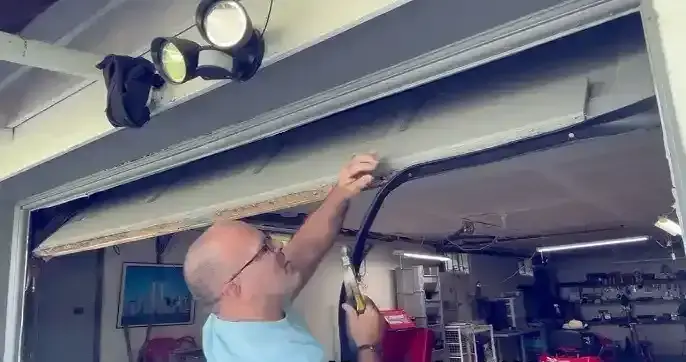
Garage Door Weather Seal Replacement in Denver
A worn garage door seal is a small part with a big job. Once the rubber cracks, flattens, or pulls loose, drafts, water, snow, and pests find their way straight into your garage.
We replace bottom seals and perimeter weatherstripping on all garage door types across Denver. Every job starts with an inspection of the seal, the retainer channel, and the fit against your slab, so the fix actually solves the problem instead of masking it.
Whether it’s a flattened bottom seal letting daylight through or side weatherstripping that’s pulled away from the frame, we get your door sealed tight again.
Backed by our Fixed Right or We Come Back guarantee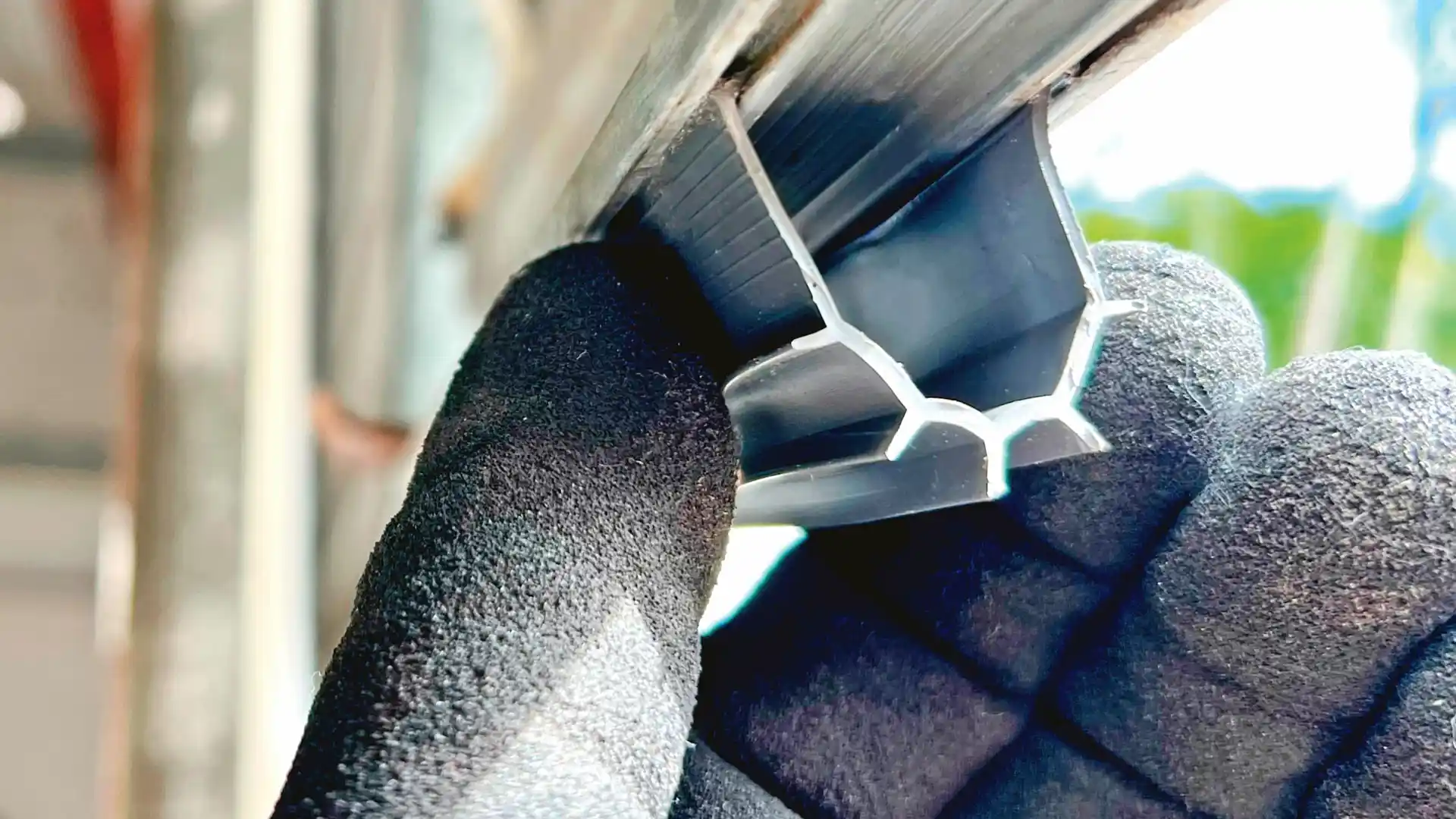
Garage Door Weather Seal Replacement in Denver
A garage door does more than open and close. It keeps out rain, snow, dust, and pests. That job falls on the weather seals around the edges of the door. Once these seals wear down, your garage stops working as a barrier. This is where garage door weather seal replacement becomes necessary for most Denver homes.
Denver homeowners deal with sharp temperature swings, heavy snow, and strong sun. All three break down rubber and vinyl seals faster than mild climates do. A seal that looked fine last spring can crack or flatten by winter. That gap under your door lets in cold air, water, and small pests, and it usually means garage door weather seal replacement can’t wait much longer.
Signs You Need a New Seal
The most common sign is light under the closed door. If you can see daylight along the bottom edge, the seal has failed. Other signs include drafts near the door, water on the garage floor after rain, dust buildup along the frame, and a seal that feels stiff or cracked instead of soft and flexible.
A worn seal often comes loose from its track too. You might notice pieces missing or the strip pulling away from the door. Any of these signs point to the same fix: garage door weather seal replacement.
Types of Seals on Your Door
Most doors use three types of seals, and knowing which one is failing makes garage door weather seal replacement faster and cheaper. The bottom seal runs along the base of the door and blocks water, snow, and pests. It takes the most wear since it touches the ground every time the door closes.
Side and top weatherstripping lines the frame around the door. This strip stops drafts and keeps dust from blowing in around the edges. Some homes also use a threshold seal, which bonds to the garage floor and creates a tighter barrier where the door meets concrete. This helps on sloped driveways where water runs toward the garage.
Seal shapes vary too. Common options include T-style seals, bulb seals, and beaded seals that fit into a retainer track. The right shape depends on your door’s design and the existing track, which is something a technician checks before any garage door weather seal replacement begins.
Why Colorado Weather Matters
Denver sees hot summers, sudden hailstorms, and freezing nights within the same week. That range stresses rubber and vinyl more than steady climates. Sun exposure dries out the material, while cold snaps make it brittle. Once a seal loses its flexibility, it can’t press tight against the door frame anymore, and that’s the main reason garage door weather seal replacement comes up so often in this area.
Snowmelt is another factor. Water that pools near the garage door can seep through a damaged bottom seal. Over time, that moisture reaches the concrete floor and any stored items nearby. A proper garage door bottom seal replacement stops this before it becomes a bigger problem.
What Replacement Involves
A technician starts by measuring the door and checking the track type. Seals come in different widths and profiles, so a proper fit matters. The old seal gets removed, and the track gets cleaned of dirt and debris before garage door weather seal replacement moves forward.
The new seal slides into the retainer channel along the bottom or sides of the door. For bottom seals, this often means threading a long rubber strip through a metal or vinyl track that spans the full width of the door. Once seated, the seal should sit flush against the frame with no visible gaps.
This process usually takes under an hour for a standard residential door. Commercial doors or custom sizes may take longer.
What Affects the Cost
Garage door seal replacement cost depends on a few factors. Door width plays a role, since wider doors need more material. The type of seal also matters. A basic bottom seal costs less than a full threshold system or premium weatherstripping.
Labor adds to the total if you hire a professional instead of doing it yourself. Damage to the track or frame can raise the price too, since that hardware may need repair before the new seal goes in.
Benefits of a New Seal
Fresh seals do more than block drafts. They cut energy loss in an attached garage, which helps keep nearby rooms warmer in winter. They also reduce the chance of water damage to your floor, stored tools, or vehicle.
Pest control is another benefit. Mice and insects can squeeze through gaps thinner than a pencil. A tight seal removes that entry point. Less moisture inside the garage also means less rust on springs, tracks, and other hardware over time.
When to Call a Professional
Some homeowners handle a basic bottom seal swap on their own with a kit from a hardware store. This works fine for simple, straight-track doors. But if the track is bent, the frame is damaged, or you’re unsure which seal type fits, a professional garage door weather seal replacement can save you from buying the wrong part twice.
A trained technician also checks for related issues while replacing the seal, such as a warped panel or a misaligned track. Catching these early prevents bigger repairs down the road.
Get Your Seals Checked
A damaged or missing seal seems minor, but it affects comfort, energy costs, and protection for everything stored in your garage. If you notice drafts, light under the door, or water on the floor, don’t wait. Garage door weather seal replacement is a quick fix that solves a long list of problems, especially with Colorado weather working against your door year-round.
Call (833) 435-8883 or contact us for fast, honest garage door services in Denver.
Signs Your Garage Door Weather Seal Needs Replacement
A worn seal usually shows itself before it fails completely. Here’s what to look for.
Visible Gaps
You can see daylight or open space along the bottom edge where the seal should sit flush.
Cracked or Torn Rubber
The seal has split, torn, or come away from the retainer in sections instead of running solid.
Light Under the Door
Sunlight showing under the closed door means the seal isn’t making full contact with the slab.
Water Getting In
Puddles or damp spots inside the garage after rain or snowmelt point to a seal that’s stopped blocking water.
Cold Drafts
A noticeably colder garage, or drafts you can feel standing near the door, is a classic sign of seal failure.
Dust, Insects & Rodents
Gaps big enough to let in draft are also big enough to let in dust, bugs, and small pests looking for shelter.
Flattened or Hardened Rubber
Seals lose their flexibility over time. Once the rubber goes flat or stiff, it can’t hold a tight seal anymore.
Bottom Seal vs. Garage Door Weatherstripping
Bottom Seal
The strip running along the bottom edge of the door. It presses against the garage floor to block water, drafts, and pests from coming in underneath. This is the seal that wears fastest since it makes direct contact with the slab every time the door closes.
Weatherstripping
The strips along the sides and top of the door frame, sealing the perimeter where the door meets the frame. This keeps out wind-driven rain and side drafts. It’s a separate system from the bottom seal, and one can fail while the other is still fine.
Common Garage Door Seal Problems
The issues we see most often on Denver garage doorsOur Weather Seal Replacement Process
Most replacements finish same-day, start to finish
Inspect Seal & Retainer
We check the current seal, the retainer channel, and how the door meets the slab.
Remove the Old Seal
The worn seal is pulled from the retainer track carefully, without damaging the channel.
Select the Right Seal
We match the seal type and size to your door style and retainer channel.
Fit & Install
The new seal is fed into the retainer and trimmed to fit your door width exactly.
Test the Seal
We close the door and check for gaps, light, and full contact along the bottom.
Choosing the Right Garage Door Seal
The right seal depends on your door, your retainer style, and how much wear it needs to handle. Here’s a quick look at the common types.
Rubber / EPDM
Most common choice. Handles temperature swings and stays flexible for years.
Vinyl
Budget-friendly and flexible, a solid fit for moderate wear.
T-Style
Fits a T-shaped retainer track, common on most modern doors.
Bulb Seal
Rounded profile fills gaps well on uneven or sloped garage floors.
Nail-On Seal
Attaches directly to the door, no retainer needed. Common on older doors.
How Denver Weather Affects Garage Door Seals
Local conditions that wear seals down fasterSnow & Ice
Freeze-thaw cycles stiffen rubber and can crack a seal that’s already worn.
Temperature Swings
Denver’s big daily swings expand and contract seals, wearing them out faster.
High-Altitude Sun
Strong UV exposure dries out rubber over time, making it brittle and prone to cracking.
Spring Moisture
Snowmelt and spring rain put the seal’s water-blocking ability to the test each year.
Garage Door Weather Seal Replacement Cost
Every door is different, so we quote after a quick inspection. Here’s what typically moves the price up or down.
We give you a clear price before any work starts. No surprises on the invoice.
Once we know what your door needs, here’s why Denver homeowners trust us to fix it
Retainer Checked, Not Just the Rubber
We inspect the full channel, not just the strip, so the fix actually holds.
Seal Matched to Your Door
Right type and size for your retainer style, not a one-size-fits-all fix.
Clear Pricing Before We Start
You’ll know the cost after inspection, before any work begins on your door.
Materials Built for Denver
Seals chosen to handle our temperature swings, snow, and high-altitude sun.
Fixed Right or We Come Back
If something’s off after the job, we return and make it right. No extra charge.
What Denver Homeowners Say About Our Seal Repairs
Real ratings from customers who trusted us with their garage door weather seals.
Tip: a failing bottom seal is one of the most common reasons Denver homeowners search for same-day garage door repair after a hard freeze.
Cold air was pouring in under our door all winter. Tech replaced the bottom seal same day and it’s like a different garage now.
Noticed daylight around the top of the door and figured the whole panel needed work. Turned out to just be worn weatherstripping. Fast, honest fix.
We had mice getting in through gaps in the old seal. New seal fit tight against the concrete, problem solved. Would call again.
Appreciated that they explained the difference between the bottom seal and the side weatherstripping before quoting anything. No upsell pressure.
Scheduled in the morning, seal was replaced by early afternoon. Straightforward and reasonably priced.
Our Coverage
Areas We Serve
Proudly serving Denver and these nearby communities.
Garage Door Weather Seal FAQs
Straight answers on seal wear, cost, and Denver’s climate.