
Garage Door Opener Repair in Denver, CO
Opener acting up? We diagnose motor, gear, sensor, and remote problems fast and get your door moving safely again.
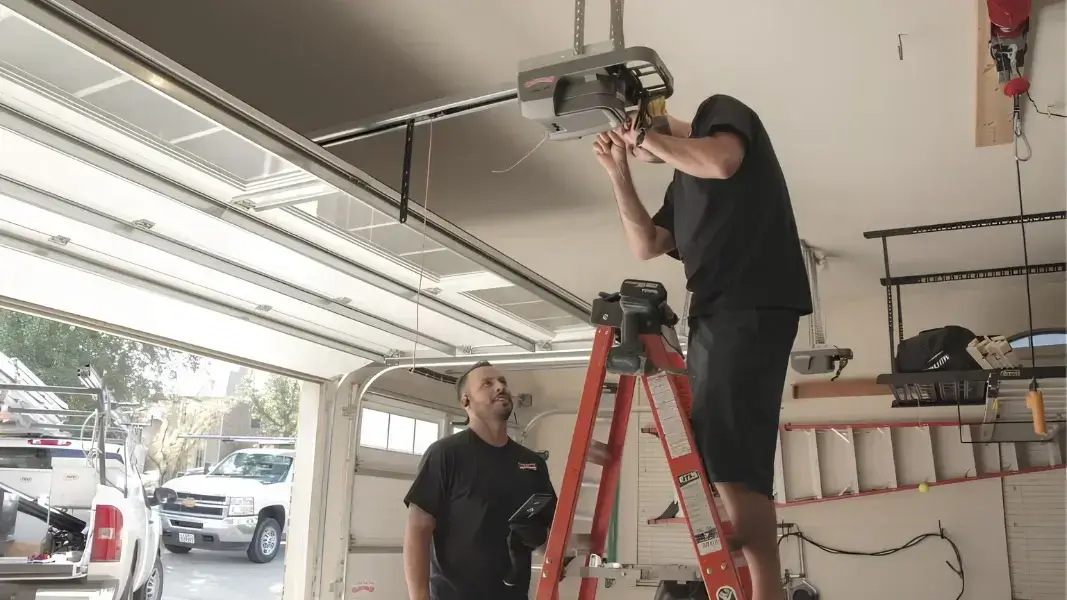
Garage Door Opener Repair for Denver Homes
A garage door opener rarely fails without warning. Grinding noises, slow movement, or a door that reverses on its own all point to a specific problem inside the unit. We trace the issue back to its source, whether it’s the motor, a worn gear, a bad sensor, or a wiring fault, and repair it so your door opens and closes the way it should.
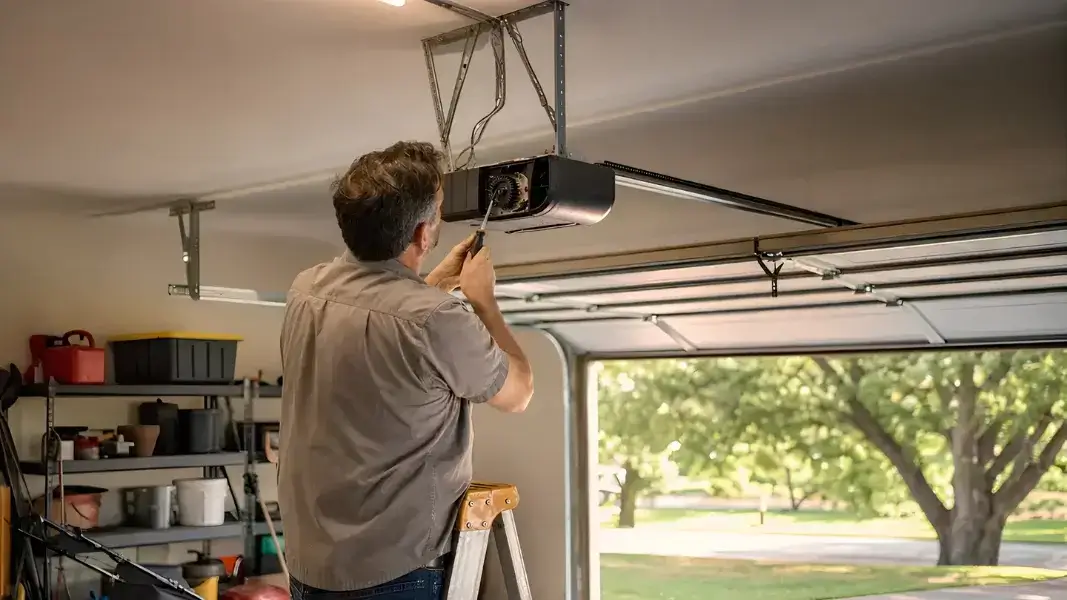
Garage Door Opener Repair in Denver, CO
When a garage door stops responding the way it should, most homeowners assume the opener is broken. That’s often true, but not always. Garage door opener repair in Denver, CO starts with an accurate diagnosis, not a guess. The motor, gears, logic board, sensors, and controls can all fail independently, and each one points to a different fix.
This page covers how we approach garage door opener repair, from spotting the early signs to deciding whether repair or replacement makes sense for your situation. Our goal on every call is the same: find the actual cause before recommending a fix, rather than replacing parts by guesswork.
Signs Your Opener Needs Repair
A garage door opener rarely fails without warning. Grinding or clicking noises, slow operation, and intermittent operation are usually the first clues. Some openers run but the door doesn’t move at all, which points to a stripped drive gear or a disconnected trolley rather than the motor itself. Others reverse while closing, or the remote stops responding even with fresh batteries.
A door that opens fine but won’t fully close, or one that stops partway through the cycle, points toward the same group of problems. Any of these patterns is a reason to call for garage door opener repair before a minor issue turns into a bigger one. Waiting usually doesn’t make the underlying problem go away, and in some cases it puts more strain on parts that were still working.
Check the Door Before Blaming the Opener
Not every opener problem starts with the opener. A heavy or unbalanced garage door puts extra strain on the motor and gears, and can make a working opener look defective. Worn rollers, a misaligned track, or tired springs all add resistance the opener has to fight against.
If your door feels heavy when lifted by hand, the real issue may sit with the door’s hardware rather than the opener itself. Diagnosing this correctly up front saves you from paying for opener repair that won’t fix the actual problem.
Motor and Gear Problems
The motor and drive gear do the physical work of opening and closing the door. Over time, the drive gear can wear down or strip, especially on an older garage door opener that’s been running for years without adjustment. A failing motor may hum without turning, run hot, or shut off mid-cycle.
Grinding usually points to a gear issue rather than the motor. We check gear wear, motor performance, and trolley connection separately, since replacing the wrong part doesn’t solve anything.
Logic Board and Electrical Issues
Modern openers rely on a logic board to manage travel limits, force settings, auto-reverse, and communication with the wall control and remotes. A failing capacitor or logic board can cause an opener to run but never fully open or close, or to behave inconsistently from one cycle to the next.
Electrical issues, including power supply problems and opener wiring, can produce similar symptoms, which is why garage door opener electrical repair often starts with checking the board and wiring before assuming the motor is at fault.
Garage Door Safety Sensor Problems
Garage door safety sensors, also called photo-eye sensors, are a common cause of a door that won’t close or that reverses partway through. Sensor misalignment, dirty lenses, or damaged sensor wiring can all trigger the same symptom. Because these sensors exist to stop the door from closing on a person or object, we never recommend bypassing or defeating the auto-reverse system to work around a sensor problem. Correct sensor alignment and wiring repair restore normal operation without compromising safety.
Remote and Wall Control Issues
Sometimes the opener itself is fine, but the remote or wall button isn’t communicating with it. A garage door opener remote that’s stopped working, a receiver that won’t pair, or a wall control that doesn’t respond can all look like a bigger opener problem than they are.
We troubleshoot the remote, receiver, and wall control separately from the motor and drive components before moving on to more involved repairs.
Repair or Replacement?
A failed part doesn’t automatically mean you need a new opener. Sensors, capacitors, logic boards, and drive gears are commonly repairable, and fixing just the failed component is often the more practical option. Replacement becomes the better recommendation when an opener has repeated failures, when parts are no longer available for the model, or when the unit is aged enough that continued repairs aren’t cost-effective.
There’s no fixed age rule here. Opener age is one factor alongside condition, failure pattern, parts availability, and repair economics. A five-year-old opener with a single sensor failure is a very different case from a fifteen-year-old unit with a history of repeated motor and gear problems, even though both technically “need repair” on paper.
What Affects Opener Repair Cost
Garage door opener repair cost in Denver depends on several factors: which part failed, the opener’s model, labor time, and whether the problem involves electrical wiring. Diagnosis plays a role too, since confirming whether the issue is the opener or the garage door itself takes time before any repair begins.
Costs vary enough between opener models and failure types that we avoid quoting a flat starting price. An accurate number comes after diagnosis.
Colorado Weather and Opener Performance
Colorado’s temperature changes can affect opener components over time. Cold snaps put extra load on the motor and can make lubricant stiffen temporarily, while repeated heating and cooling cycles add wear to electrical connections and the circuit board.
This doesn’t mean weather causes most failures, but it’s worth ruling out when troubleshooting slow or intermittent operation during seasonal temperature swings.
Routine Maintenance Reduces Repair Needs
Many opener problems build up gradually rather than happening all at once. Loose hardware, dust on sensor lenses, and unlubricated gears all put avoidable strain on the system. Routine garage door maintenance catches these issues early, often before they turn into a stopped opener or a door that won’t close.
If your garage door opener is making noise, running slow, or not responding the way it should, we can diagnose the problem and recommend the right fix. Call (833) 435-8883 to schedule garage door opener repair in Denver, CO.
Signs Your Garage Door Opener Needs Repair
Your opener usually gives you clues before it stops working completely. Changes in speed, sound, movement, or control response are worth paying attention to.
Know the warning signs.
Strange sounds, slow operation, failed controls, or a door that reverses unexpectedly can all point to an opener problem that should be checked before the system becomes completely unusable.
Opener Does Nothing
No response at all when you press the remote or wall button.
Motor Runs, Door Won’t Move
You hear the motor working but the garage door stays in place.
Door Moves Slowly
Opening or closing takes noticeably longer than it normally does.
Door Reverses
The door starts closing and then reverses back open unexpectedly.
Grinding, Clicking, or Humming
Unusual sounds come from the opener during normal operation.
Remote or Wall Button Fails
One or both controls stop triggering the opener correctly.
Works Intermittently
The opener works one time and then fails to respond the next.
Lights or Controls Behave Oddly
Flashing indicators or controls that do not reset normally.
Try these simple checks
Confirm the opener has power, check the remote batteries, and make sure nothing is blocking the safety sensors.
Common Garage Door Opener Problems
An opener can fail for several different reasons. Identifying the actual component or system involved helps prevent unnecessary parts replacement and points toward the right repair.
Where opener problems begin.
Motor assemblies, drive components, controls, wiring, travel settings, and safety systems all work together. A fault in one area can change how the entire opener behaves.
Motor & Capacitor
Weak starting, humming, overheating, or a motor that will not engage.
Drive Gear & Sprocket Wear
Worn or stripped components can cause grinding and poor door movement.
Logic Board Failure
Failed electronics can create unresponsive controls or unpredictable operation.
Power & Wiring Issues
Loose connections or damaged wiring can interrupt opener power or signals.
Travel-Limit Problems
Incorrect settings can make the door stop early or reverse unexpectedly.
Safety-Sensor Problems
Alignment, wiring, or sensor faults can prevent normal closing.
Remote & Receiver Issues
Signal or receiver problems can stop the opener from recognizing remotes.
Repair or Replace?
A failed component does not automatically mean the entire opener needs replacement. Age, condition, repair cost, and reliability all matter.
Cold weather can expose opener problems.
Denver’s cold temperatures, snow, and freeze-thaw conditions can make garage doors harder to move. When the door becomes heavier or components become stiff, an already weak opener may show symptoms such as slow movement, increased noise, or failure to complete its cycle.
Garage Door Opener Motor & Gear Repair
Most opener failures trace back to the motor unit, drive system, electrical controls, or related components. We inspect the system in sequence to identify the failed part before recommending the repair.
Sensor & Remote/Wall Control Problems
Safety sensors and opener controls are small parts of the system, but a failure here can stop a perfectly capable garage door from operating normally.
Safety Sensor Repair
When the opener senses a problem with the photo-eye circuit, it may refuse to close the door or reverse it right away.
Remote & Wall Control
Control failures can come from the remote itself, the wall button, programming, or the receiver inside the opener.
Our Garage Door Opener Repair Process
A good opener repair starts with diagnosis, not guesswork. We work through the system step by step, explain what we find, and verify the opener before the job is complete.
Diagnose
We test the opener, door movement, controls, and related components to understand the actual problem.
Identify the Fault
We narrow the issue down to the component or system causing the opener to malfunction.
Explain Options
You get a clear explanation of the issue and the available repair path before work begins.
Repair the Part
We repair or replace the failed opener component rather than automatically replacing the entire system.
Test Sensors
We verify the safety sensors and confirm the opener responds correctly during the closing cycle.
Final Check
We run a complete open-and-close cycle and make sure the opener is operating properly before leaving.
That means you know what is actually wrong with your opener, what can be repaired, and what needs attention before the work is completed.
What We Check Before Replacing Your Opener
We inspect the door, hardware, and opener together before recommending replacement, helping identify the real cause of the problem.
inspection 9 inspection points
Garage Door Opener Repair vs. Replacement
A failed part does not automatically mean you need a new opener. We look at the full system and weigh several factors before recommending the option that makes the most sense.
ASSESSMENT
Opener Repair Cost & Timeline in Denver
Cost Factors
Typical Timeline
Why Garage Door Openers Fail in Denver Homes
Why Choose Us for Opener Repair in Denver
Garage Door Opener Repair Reviews
Opener stopped responding to the remote out of nowhere. Tech found a bad receiver, had it fixed same visit. Works great now.
Door was reversing every time it tried to close. Turned out to be a sensor alignment issue. Fixed fast and explained everything clearly.
Opener motor was grinding loudly. They found a stripped gear, replaced it instead of pushing a new unit on us. Honest and quick.
Our Coverage
Areas We Serve
Proudly serving Denver and these nearby communities.
Garage Door Opener Repair FAQ
This usually points to a worn drive gear, a failed capacitor, or a logic board issue. If the motor runs but the door doesn’t move, the gear is the most likely cause. We test each part to confirm before repairing anything.
A door that reverses mid-close almost always points to a safety sensor problem, usually misalignment or a blocked photo-eye. It can also mean the force settings need adjusting. We test the full auto-reverse system before calling it fixed.
Cost depends on the failed part, your opener model, and whether electrical work is involved. We diagnose first and give you a clear price before any repair starts, no guessing.
Most single-component failures, like a sensor, capacitor, or gear, are repairable. Replacement makes more sense with repeated failures, obsolete parts, or a unit that’s failing across multiple systems at once.
Most repairs, including sensor, remote, and gear fixes, are completed in a single visit. Rare cases needing a special-order part take longer.
Get Garage Door Opener Repair in Denver, CO
Diagnosis, honest options, and a repair done right the first time. Call now or request a free quote.